ARTIFACT Summer School 2026 successfully held in Delft
From 6 to 10 July 2026, the ARTIFACT Summer School 2026 – Modelling Urban Floods with Physical and AI Models was held in Delft, the Netherlands, bringing together experts, researchers and early-career scientists around a shared challenge: how to better understand and advancing artificial intelligence methods.
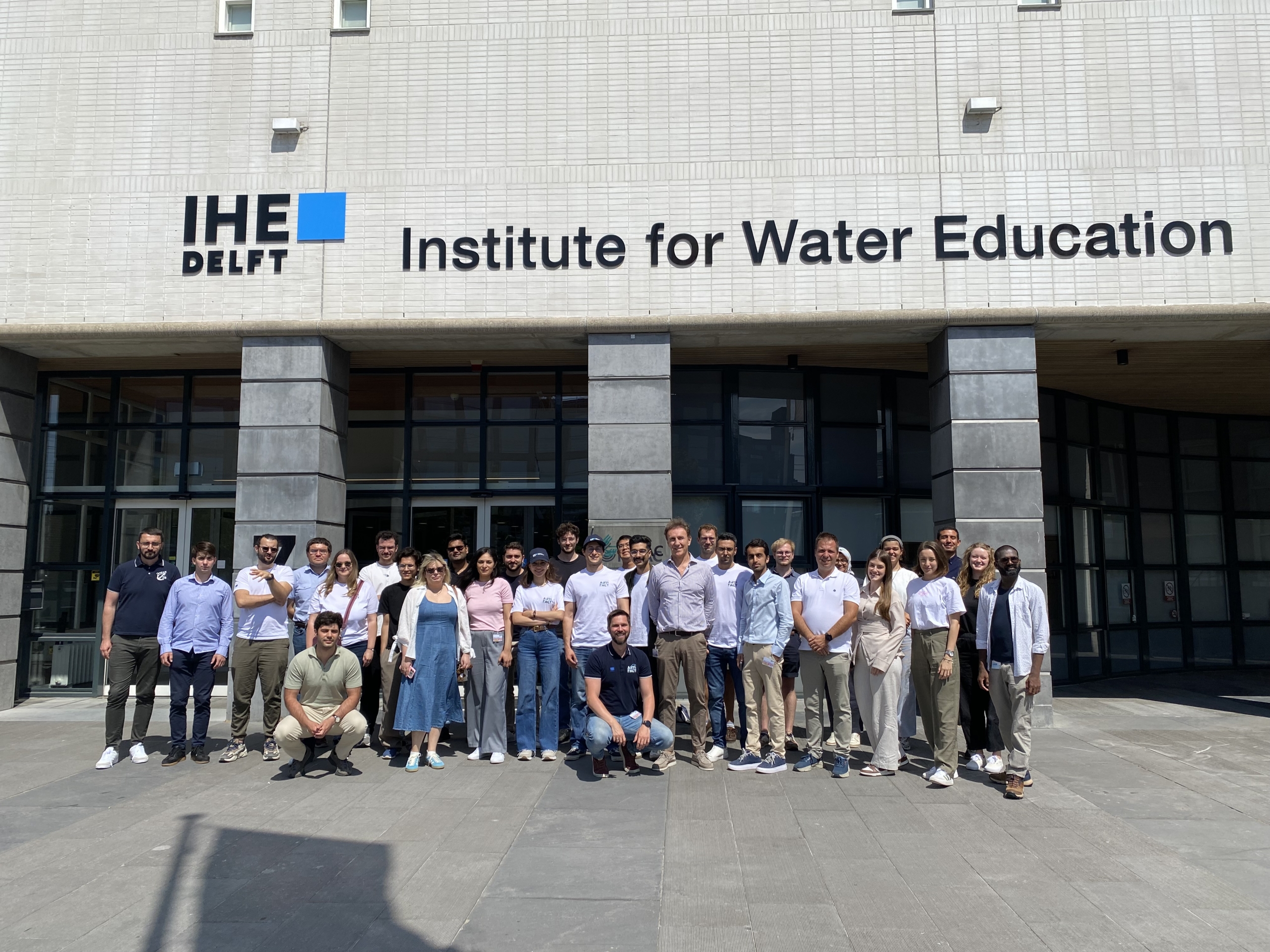
Hosted by IHE Delft Institute for Water Education and Delft University of Technology (TU Delft), the five-day programme was designed to connect these two perspectives rather than treat them separately. The first part of the Summer School focused on the foundations of hydrological and 1D-2D flood modelling, from data collection and model calibration to practical work with MIKE+. Participants were introduced to the Dutch experience in flood protection, including the Room for the River approach, before putting the concepts into practice through modelling exercises.
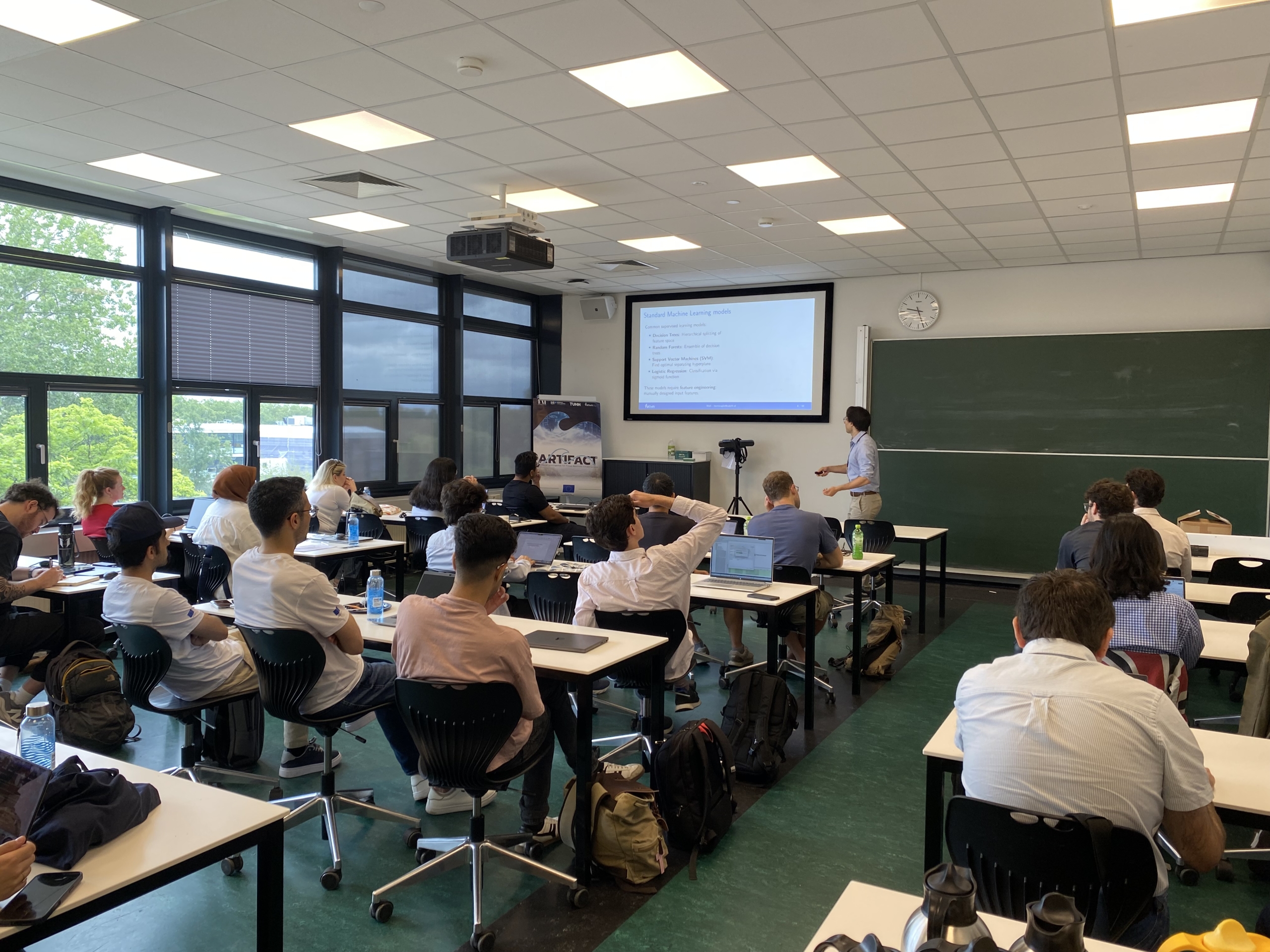
The programme then moved to TU Delft, where the focus shifted towards machine learning and deep learning for flood modelling. Starting from the fundamentals of machine learning, participants progressed to recurrent and convolutional neural networks, Graph Neural Networks and Transformers. Practical sessions complemented the lectures, with participants working on 1D and 2D flood-modelling problems using PyTorch and Google Colab.
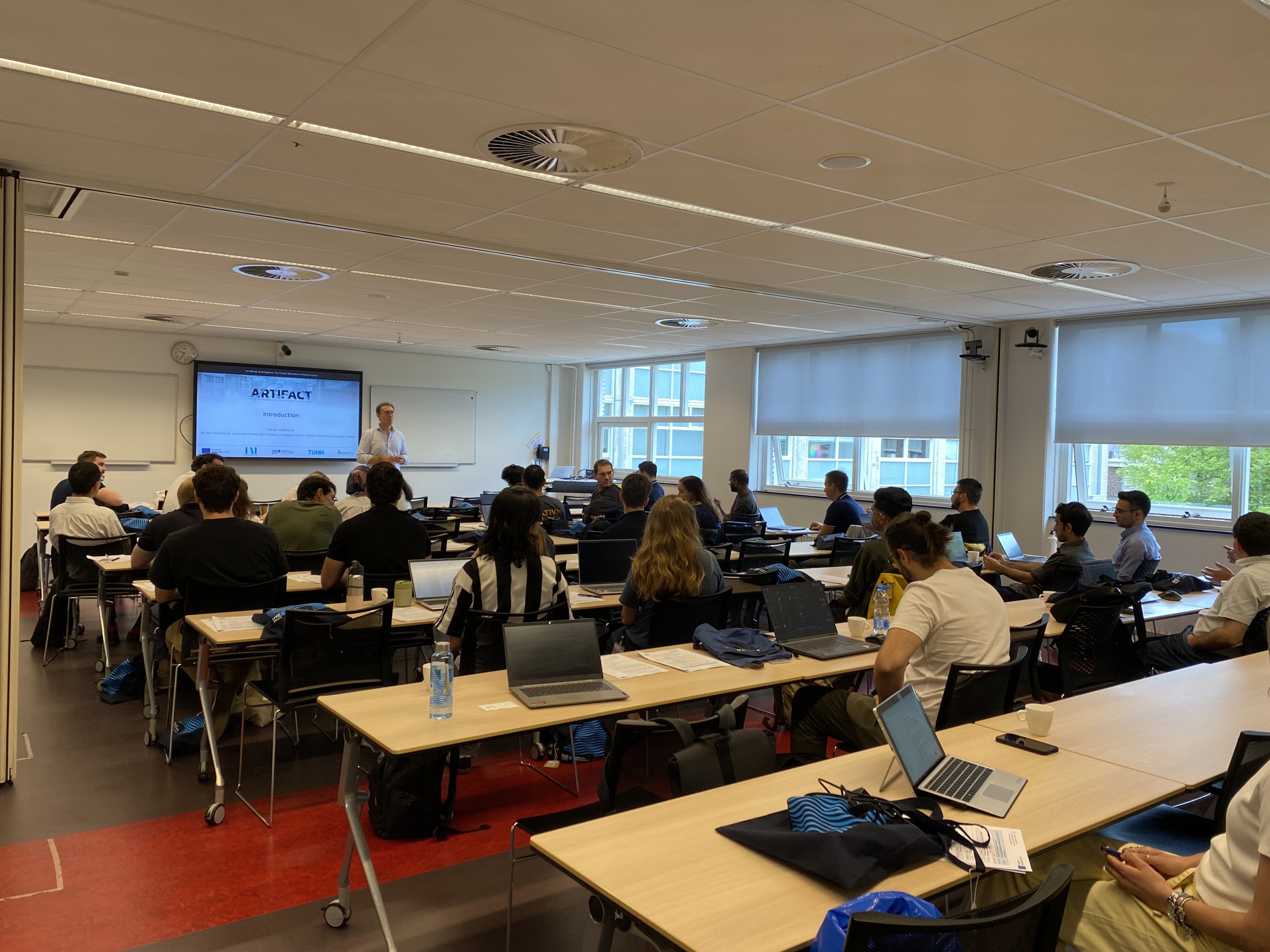
This progression from physical models to advanced AI methods reflected one of the central ideas behind ARTIFACT: exploring how the strengths of both approaches can be brought together to support better modelling and, ultimately, more resilient urban environments.
The week concluded in Rotterdam, where the classroom perspective was brought into the context of a city internationally recognised for its approach to living with water. During a technical visit hosted by the Engineering Agency of the Rotterdam Municipality, participants were introduced to Rotterdam’s approach to urban water management and climate adaptation, integrated catchment modelling and the assessment of urban resilience to extreme storm events. The visit continued in the city itself, including Museumpark, with its underground water retention facility and urban water buffer, as well as Hofbogen and Benthemplein, providing concrete examples of how climate adaptation is being incorporated into the urban environment.
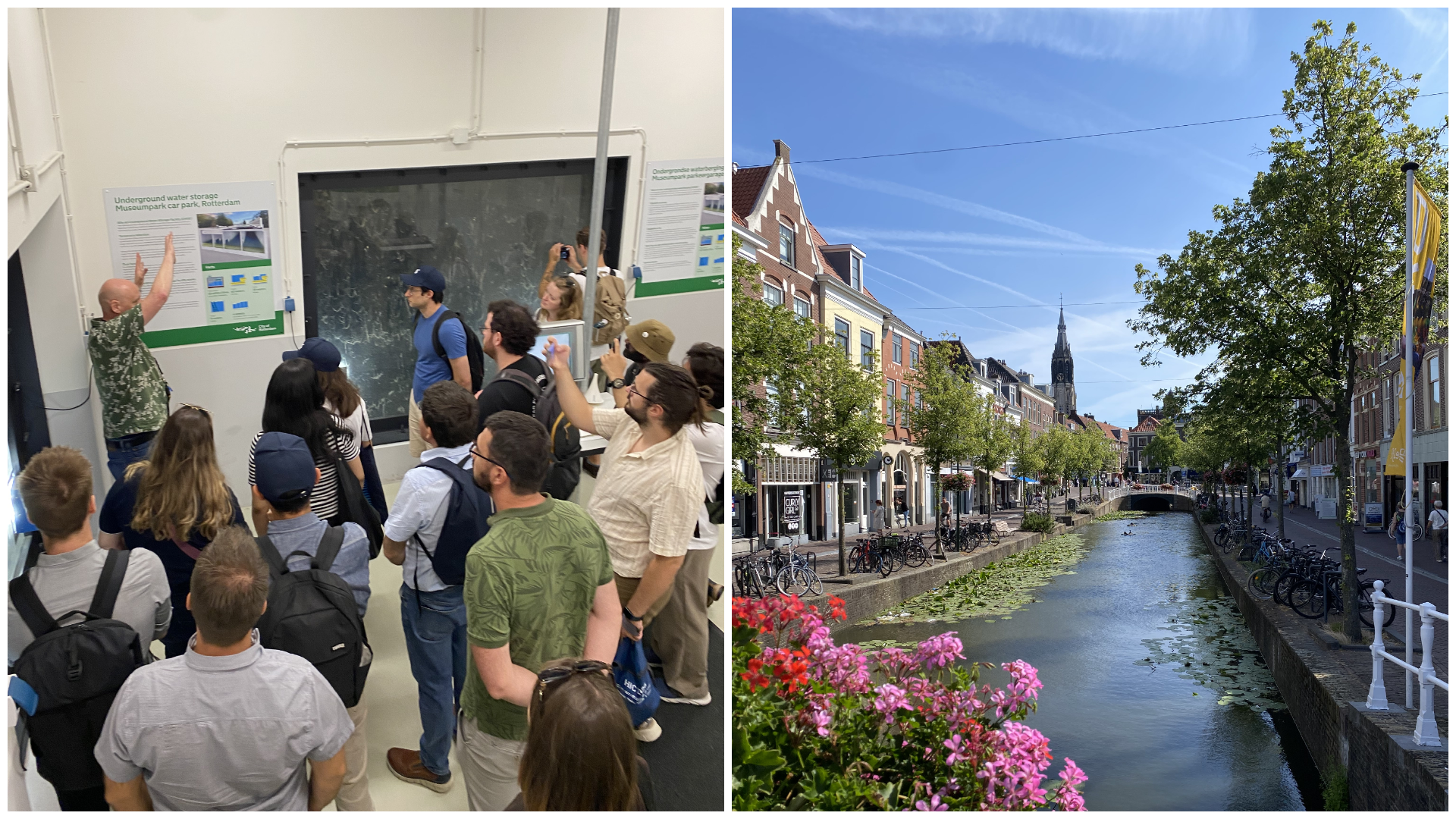
Beyond its scientific programme, the Summer School created space for discussions between people working on different sides of the same challenge, from flood and hydrological modelling to artificial intelligence and urban resilience. By combining theoretical foundations, practical modelling and examples from the field, the week in Delft offered a broader perspective on where flood modelling is heading and the role AI can play in the development.
The ARTIFACT team would like to thank IHE Delft Institute for Water Education and Delft University of Technology for hosting the Summer School, the Engineering Agency of the Rotterdam Municipality for welcoming the group during the technical visit, and all project partners, lecturers and participants whose expertise and engagement shaped the week.
Looking Ahead
The next ARTIFACT Summer School will take place in 2027 at Hamburg University of Technology (TUHH) in Germany.
More information about these events, including topics, program details, and registration, will be shared in due time. Stay tuned for more updates and results from the ARTIFACT project as it continues to develop intelligent, future-ready solutions for resilient infrastructure.